
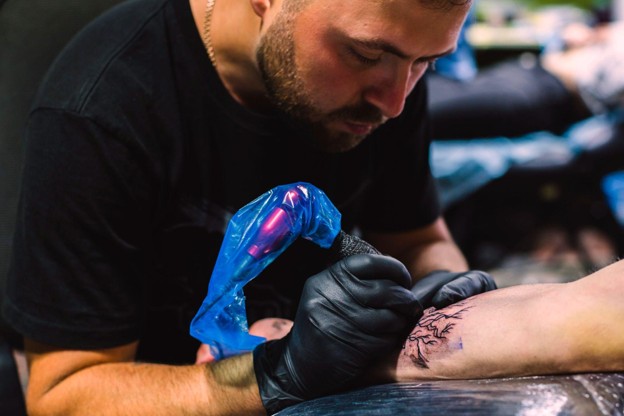
Turning finished artwork into a tattoo requires precision at the transfer stage, and a dependable tattoo gel can help artists create clear visual guides before permanent work begins. When placement, proportions, and fine details transfer consistently, artists can approach the next stage with greater confidence while maintaining the integrity of the original design.
The transfer represents an important transition between creative planning and technical execution. Artwork developed on paper or a digital screen must ultimately work with the shape, movement, and proportions of a real body. A reliable transfer allows artists to evaluate that relationship and establish a usable roadmap before tattooing begins.
Why Tattoo Gel Plays an Important Role in Design Transfer
A stencil contains visual information an artist may rely on throughout a session. If that information transfers inconsistently, portions of the design can become difficult to interpret before the tattoo has even started.
A clear transfer can preserve details involving:
- Major outlines.
- Fine reference lines.
- Spacing.
- Proportions.
- Symmetry.
- Lettering placement.
- Geometric relationships.
- Overall composition.
Using tattoo gel appropriately helps create the connection between the prepared stencil and the skin so those references remain clear enough for the artist to follow.
The objective is not simply to make the stencil visible. The transfer should provide a practical working guide that supports the artist’s intended design.
Confidence Begins Before the Machine Is Turned On
Professional confidence does not come from rushing into permanent work. It comes from knowing that important preparation steps have been completed carefully.
Before tattooing, an artist may need to confirm:
- Whether the design is positioned correctly.
- Whether its size complements the body area.
- Whether important details transferred clearly.
- Whether symmetrical elements remain balanced.
- Whether the client approves the placement.
- Whether the stencil follows natural contours properly.
A dependable transfer gives artists time to review these factors before making permanent marks.
When the stencil accurately reflects the intended artwork, the artist can move into tattooing with a clearer understanding of where individual elements belong.
Body Shape Can Change How Artwork Appears
Artwork viewed on a flat surface does not always translate directly onto the body.
Areas such as shoulders, forearms, thighs, ribs, and calves have curves that can alter the apparent shape of a design. Movement can create additional considerations.
This is particularly important for:
- Geometric designs.
- Lettering
- Symmetrical artwork.
- Large ornamental pieces.
- Designs wrapping around limbs.
- Tattoos incorporating existing work.
Applying a transfer with tattoo gel allows the artist to evaluate the design directly on the intended area.
The artist and client can view it from different angles and determine whether adjustments should be made before tattooing starts.
Clear Transfers Help Preserve the Original Design
Many tattoos begin with substantial creative preparation.
Artists may spend hours developing custom illustrations, refining digital artwork, changing proportions, or adjusting individual elements based on client feedback. Losing important information during the transfer stage can undermine that preparation.
A reliable transfer helps carry the artist’s planning onto the skin.
This becomes especially important when designs contain numerous interconnected elements. Maintaining their relationships helps preserve the visual balance established during the design process.
Rather than recreating details from memory, artists have a visible reference that reflects the approved artwork.
Reliable Transfers Support Efficient Workflow
Efficiency does not mean completing a tattoo as quickly as possible. Professional efficiency means reducing avoidable interruptions while maintaining careful standards.
A poor transfer may require an artist to stop repeatedly to check the original artwork or clarify faded reference points.
A dependable transfer can instead support the following:
- Smoother progression through the design.
- More consistent reference points.
- Fewer unnecessary corrections.
- Better organization during complex work.
- Easier transitions between sections.
- Greater focus on technical execution.
When tattoo gel produces a usable transfer, the preparation stage supports rather than disrupts the tattooing process.
Stencil Visibility Matters During Longer Sessions
Large and detailed tattoos may take hours to complete, and some projects require multiple appointments.
During an individual session, artists routinely clean and wipe the working area. These necessary actions can gradually affect stencil visibility.
For that reason, maintaining useful reference points is particularly important during extended work.
Artists may organize the session strategically by establishing critical outlines early and progressing through the design in a way that protects remaining guides.
A reliable tattoo gel can contribute to this process by helping establish a clear transfer at the beginning of the appointment.
Application Technique Influences Transfer Quality
The product itself is only one part of creating an effective stencil.
Technique matters as well.
Artists should follow manufacturer directions regarding application, preparation, and setting time. Depending on the product and workflow, considerations may include:
- Preparing the skin appropriately.
- Applying an appropriate amount of product.
- Creating even coverage.
- Positioning the stencil carefully.
- Avoiding unnecessary movement during transfer.
- Allowing sufficient time for the image to transfer.
- Giving the transferred design time to set.
- Checking clarity before beginning.
Applying excessive tattoo gel may not necessarily create a better result. A controlled application based on the manufacturer’s instructions can help maintain sharper details and reduce unnecessary smearing.
Hygiene Must Remain Part of Every Preparation Stage
Stencil application takes place within a larger professional process where hygiene and exposure control are essential.
Tattooing can involve contact with blood and other potentially infectious materials. The Occupational Safety and Health Administration provides information about occupational exposure to bloodborne pathogens and measures designed to reduce workplace risks associated with blood and other potentially infectious materials.
Tattoo professionals should also comply with applicable state and local regulations and established studio procedures.
Important practices can include appropriate hand hygiene, gloves, surface barriers, single-use materials where required, proper cleaning and disinfection, and measures that help prevent cross-contamination.
A reliable transfer matters, but it should always be created within a professional workflow that prioritizes both artistic quality and appropriate hygiene practices.
The Transfer Stage Gives Clients an Important Opportunity to respond.
A stencil is not only useful to the artist. It also helps clients understand how their chosen artwork will actually look on their body.
Before permanent work begins, clients can evaluate:
- Preparing the skin appropriately.
- Applying an appropriate amount of product.
- Relationship to existing tattoos.
- Overall appearance from different angles.
A design that looked ideal on a phone or printed page may feel different once positioned on the body.
A clearly applied stencil gives the client a more realistic preview. If placement needs to change, the artist can remove and reapply the design before tattooing begins.
Using tattoo gel to establish a clear transfer therefore supports communication as well as technical preparation.
Different Tattoo Styles Create Different Transfer Demands
Tattoo artists work across a wide range of styles, and each can place different demands on stencil preparation.
Fine-line tattoos may require delicate reference marks. Geometric work can depend heavily on alignment. Lettering requires careful spacing, while larger illustrative pieces may contain numerous overlapping details.
Other styles may use the stencil primarily to establish major boundaries while leaving more room for artistic interpretation during tattooing.
This means transfer products should support the artist’s actual working method rather than forcing every design into the same process.
A dependable tattoo gel can become especially valuable when an artist knows how it behaves across the types of designs they regularly create.
Consistency Helps Artists Build Repeatable Processes
Professional artists often refine their workflows through experience.
Repeatedly using familiar tools and techniques can help remove uncertainty from routine preparation. When artists understand how their transfer materials behave, they can more confidently estimate application amounts, setting times, and placement procedures.
Consistency can be particularly valuable in a busy studio where appointments may range from relatively straightforward designs to intricate custom pieces.
A repeatable process allows artists to devote more attention to the variables that actually require creative judgment.
A Strong Transfer Supports the Art Without Replacing Skill
No transfer product can replace experience, drawing ability, technical control, or artistic judgment.
The purpose of a stencil is to support those skills.
A reliable transfer provides a framework, but the artist still determines how lines are executed, how shading develops, how color is applied, and how the tattoo responds to the characteristics of the client’s skin.
That distinction is important. Tattoo gel is a preparation tool, not a substitute for craftsmanship.
When the preparation stage works as intended, however, the artist has a stronger foundation for applying that craftsmanship confidently.
Confidence Comes From Knowing the Foundation Is Right
Moving from an approved design to permanent tattooing is one of the most important transitions in the entire session. Artists need to know that the artwork has been positioned appropriately, important references remain visible, and the client is comfortable with the placement before proceeding.
A dependable tattoo gel can help establish that foundation by supporting clear, consistent transfers that preserve important elements of the original artwork. Combined with careful application, sufficient setting time, appropriate hygiene practices, and a thoughtful placement review, a reliable transfer allows artists to enter the tattooing stage with fewer uncertainties.
The stencil may ultimately disappear beneath the finished work, but its role is significant. When the transfer is accurate and dependable, artists can move from design to skin with greater confidence and focus their attention on transforming the original concept into permanent art.